Music, Access, and the Human Mind
When Cultural Capital Is Shared: Music, Access, and the Human Mind For a long time, cultural capital was encrypted. Tools, technologies, and know-how were difficult to access, difficult to understand…
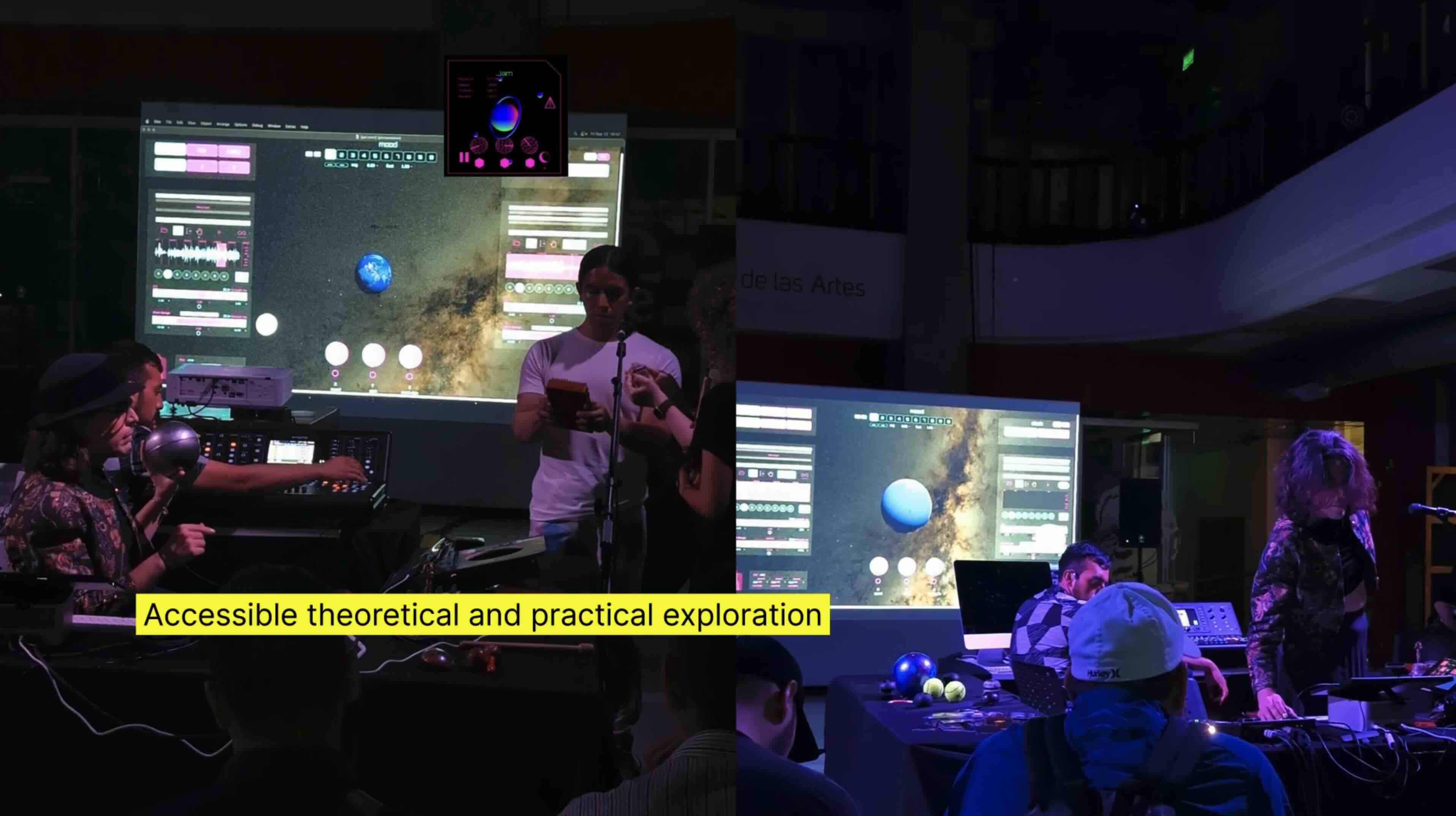
When Cultural Capital Is Shared:
Music, Access, and the Human Mind
For a long time, cultural capital was encrypted.
Tools, technologies, and know-how were difficult to access, difficult to understand, and difficult to combine. Specialization and complexity became signals of legitimacy. Understanding required initiation. Participation required permission.
From my perspective, lowering the entry barrier is often misunderstood as a loss of depth. I don’t see it that way. Making tools and knowledge less cryptic doesn’t make culture poorer — it shifts the level of abstraction and relocates where complexity lives.
This is often described as the democratization of technology and culture. I don’t experience it as removing complexity or flattening knowledge, but as enabling more people to engage without first decoding opaque systems.
Whether this redistribution enriches culture isn’t guaranteed. It depends on what we do with it. Complexity doesn’t disappear — it moves. Sometimes it reappears through new combinations rather than through exclusion.
When access increases, we don’t lose depth.
We gain new combinations.
Practices that were once isolated can meet. Disciplines can inform each other. Knowledge becomes usable, not just admirable. We stop asking, “Am I allowed to do this?” and start asking, “What happens if I try?”
I believe this shift requires a different kind of intelligence — a holistic one. One that can connect distant ideas and sense relationships rather than follow linear instructions.
Music is a clear example. Listening, in particular, develops this kind of intelligence. Deep listening trains sensitivity, intuition, and embodied understanding rather than efficiency.
That matters now more than ever.
Rational intelligence has been largely externalized to machines. Systems excel at logic, calculation, and optimization. Competing on those terms makes little sense. It’s time for collaboration.
What remains uniquely human is something else: intuition, resonance, and non-rational intelligence.
When cultural capital is shared, the question is no longer,
“Who is allowed to participate?”
It becomes: What kinds of humans do we want to become with this access?